Table of Contents
Best Face Masks for Skin: Complete Guide
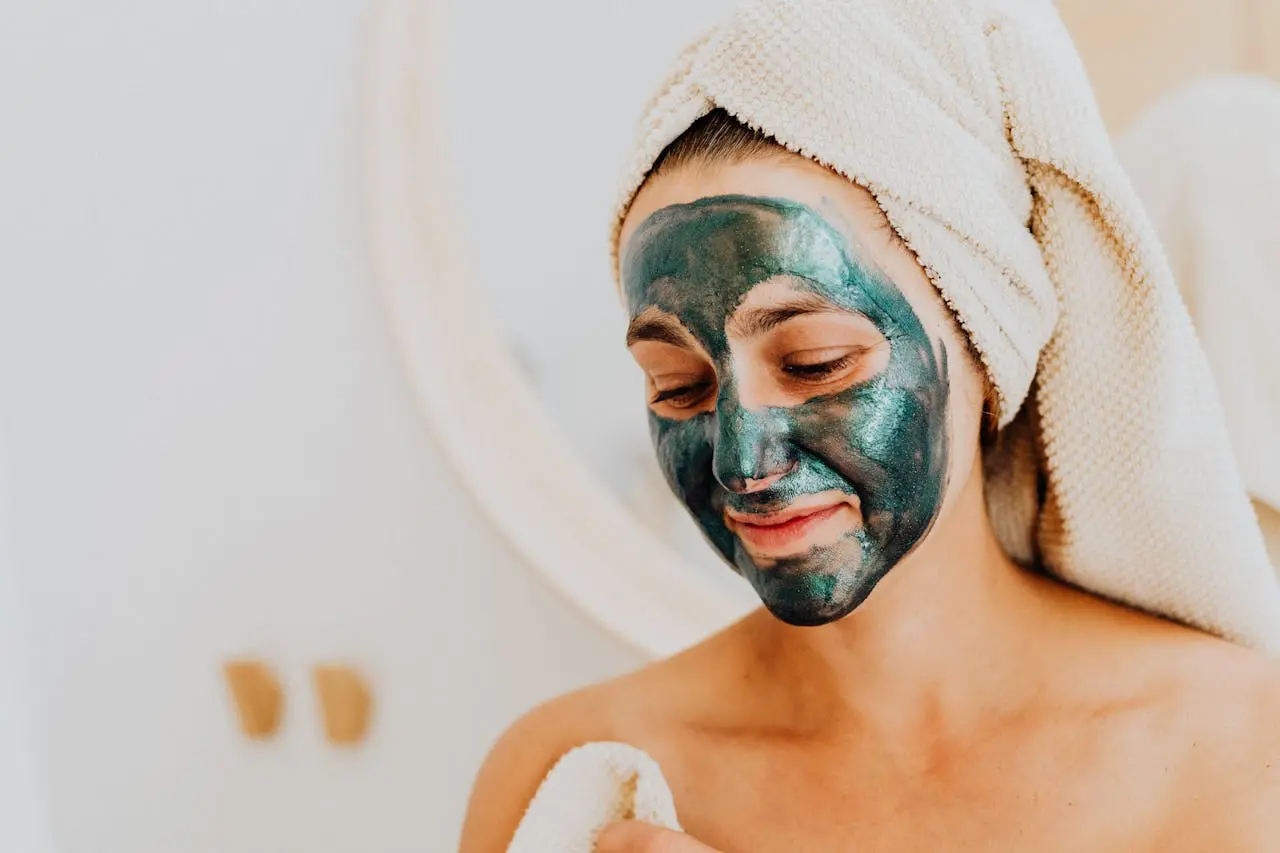
Taking care of your skin is no longer a luxury — it’s a necessity. With pollution, stress, and changing lifestyles, using the best face masks for skin can make a huge difference in maintaining a clear, glowing complexion.
Face masks provide deep nourishment, hydration, detoxification, and repair that daily skincare products often can’t deliver.
In this guide, you’ll learn:
- The best face masks for every skin type
- Natural and DIY face masks
- Key ingredients to look for
- Expert skincare tips
Why Face Masks Are Important for Skin
Face masks are designed to deliver concentrated ingredients directly into your skin. Unlike regular cleansers or moisturizers, masks work deeply and give visible results quickly.
Key Benefits:
- Deep cleansing and detoxification
- Hydration and moisture boost
- Removes dead skin cells
- Brightens dull skin
- Reduces acne and pores
- Anti-aging benefits
Best Face Masks for Different Skin Types
Choosing the right face mask depends on your skin type. Using the wrong one can actually harm your skin.
1. Best Face Masks for Oily Skin
Oily skin produces excess sebum, leading to acne and clogged pores.
Recommended Ingredients:
- Clay (Kaolin, Bentonite)
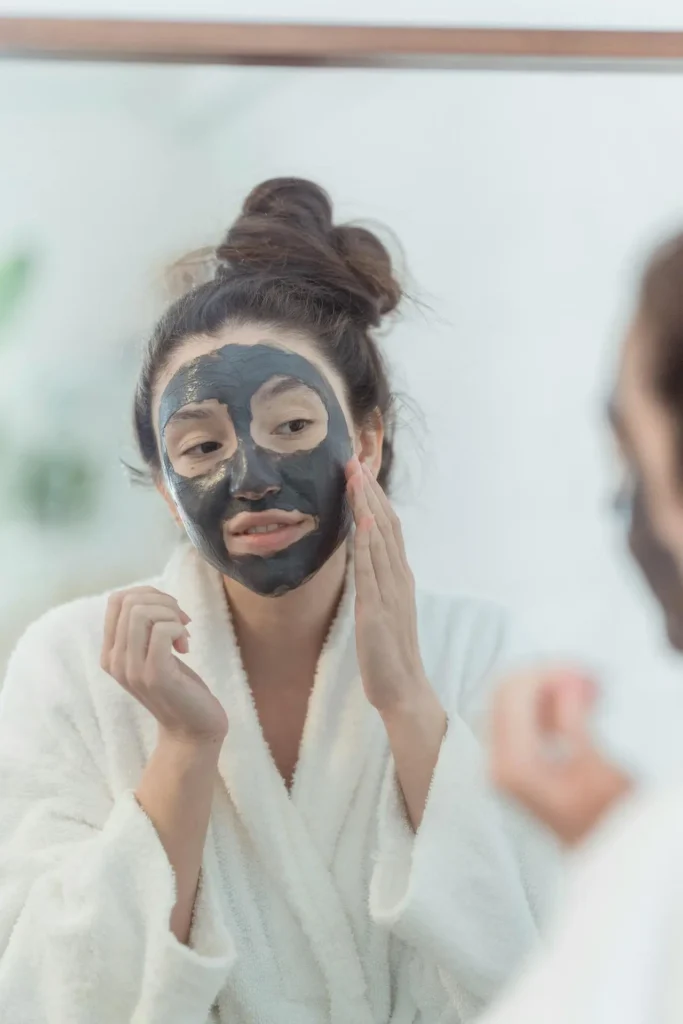
- Charcoal
- Salicylic acid
Best Options:
- Clay masks
- Charcoal detox masks
Benefits:
- Controls oil
- Unclogs pores
- Prevents acne
2. Best Face Masks for Dry Skin
Dry skin needs hydration and nourishment.
Recommended Ingredients:
- Hyaluronic acid
- Aloe vera
- Honey
- Glycerin
Best Options:
- Cream-based masks
- Hydrating gel masks
Benefits:
- Deep moisturization
- Smooth and soft skin
- Prevents flakiness
3. Best Face Masks for Sensitive Skin
Sensitive skin reacts easily, so gentle ingredients are essential.
Recommended Ingredients:
- Oatmeal
- Chamomile
- Aloe vera
Best Options:
- Soothing masks
- Fragrance-free masks
Benefits:
- Reduces redness
- Calms irritation
- Protects skin barrier
4. Best Face Masks for Acne-Prone Skin
Acne-prone skin needs antibacterial and anti-inflammatory care.
Recommended Ingredients:
- Tea tree oil
- Neem
- Salicylic acid
Best Options:
- Anti-acne masks
- Clay + tea tree combinations
Benefits:
- Reduces breakouts
- Fights bacteria
- Controls oil
5. Best Face Masks for Combination Skin
Combination skin needs balance — hydration + oil control.
Recommended Ingredients:
- Niacinamide
- Aloe vera
- Clay (only on T-zone)
Best Options:
- Multi-masking
- Balanced formula masks
Best Natural DIY Face Masks
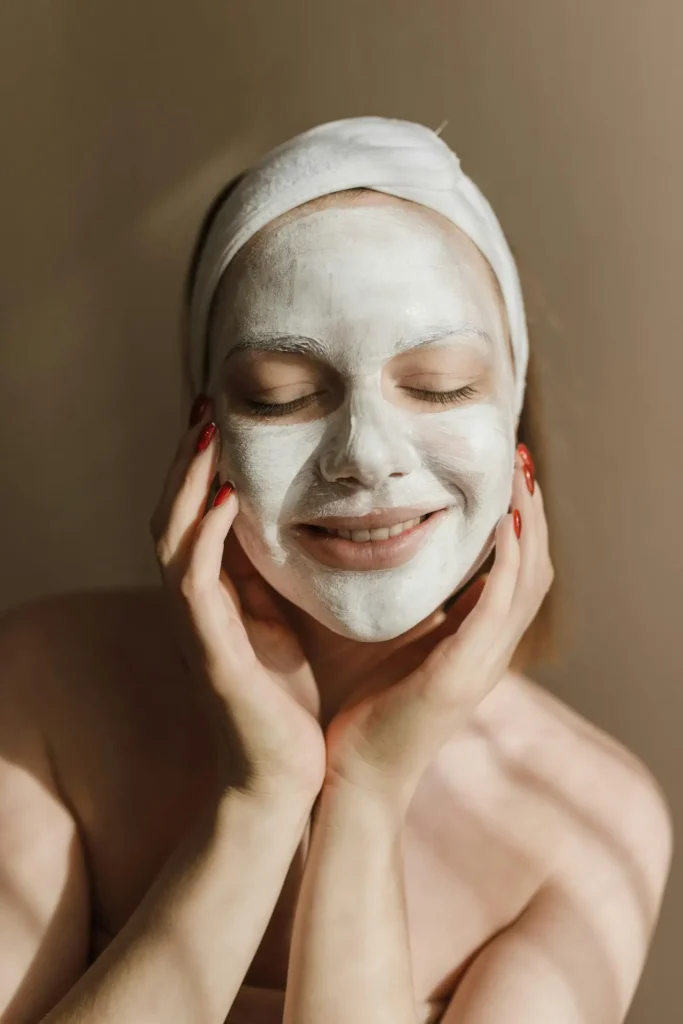
If you prefer natural skincare, DIY masks are a great option.
1. Honey & Lemon Mask
Ingredients:
- 1 tbsp honey
- Few drops lemon juice
Benefits:
- Brightens skin
- Fights acne
- Natural glow
2. Turmeric & Yogurt Mask
Ingredients:
- 1 tbsp yogurt
- Pinch of turmeric
Benefits:
- Reduces pigmentation
- Anti-inflammatory
- Glowing skin
3. Aloe Vera & Cucumber Mask
Benefits:
- Cooling effect
- Hydration boost
- Soothes irritated skin
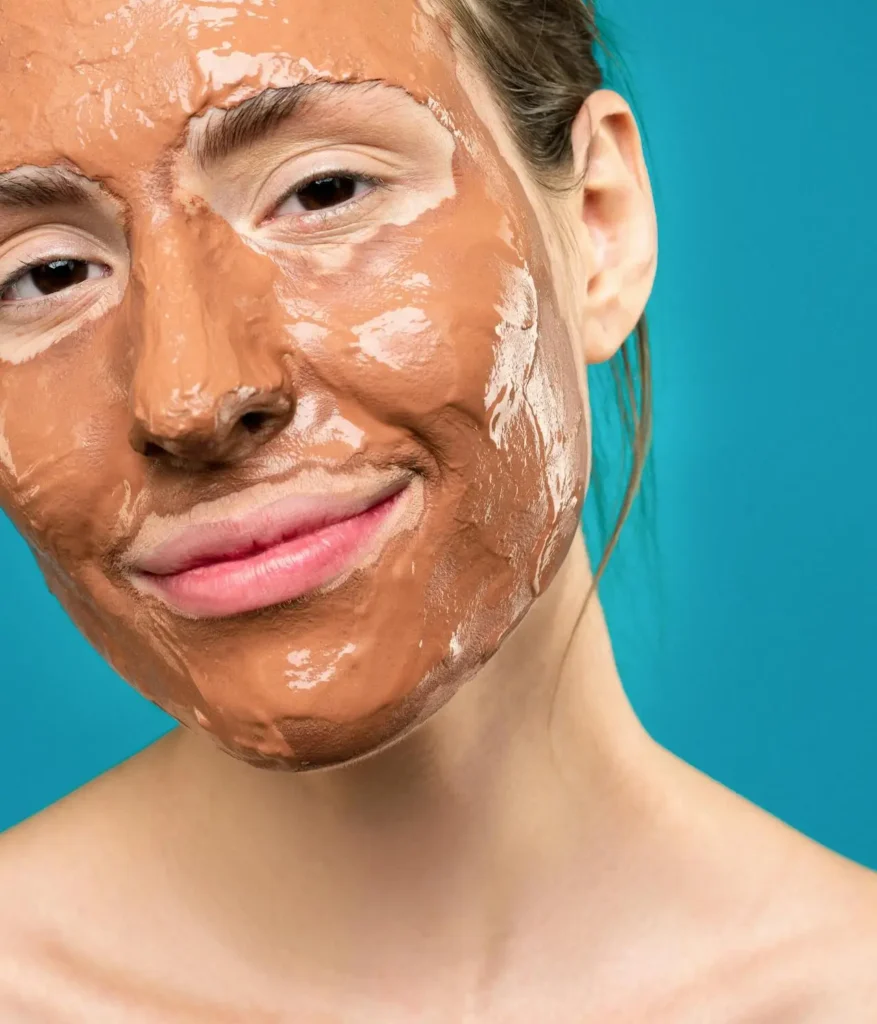
4. Multani Mitti (Clay) Mask
Benefits:
- Oil control
- Deep cleansing
- Acne prevention
Key Ingredients to Look for in Face Masks
Understanding ingredients helps you choose the best face masks for skin.
Hydration:
- Hyaluronic acid
- Glycerin
Brightening:
- Vitamin C
- Niacinamide
Anti-Acne:
- Salicylic acid
- Tea tree oil
Anti-Aging:
- Retinol
- Collagen
How to Use Face Masks Properly
To get the best results, follow these steps:
- Cleanse your face
- Apply mask evenly
- Avoid eye and lip area
- Leave for 10–20 minutes
- Rinse with lukewarm water
- Apply moisturizer
How Often Should You Use Face Masks?
- Oily skin: 2–3 times per week
- Dry skin: 1–2 times per week
- Sensitive skin: Once per week
- Acne-prone skin: 2 times per week
Common Mistakes to Avoid
- Overusing face masks
- Using wrong mask for your skin type
- Not moisturizing after mask
- Leaving mask too long
- Mixing too many active ingredients
Pro Tips for Glowing Skin
- Stay hydrated
- Follow a skincare routine
- Use sunscreen daily
- Eat healthy foods
- Get enough sleep
FAQ Section
1. Which face mask is best for glowing skin?
Masks with vitamin C, turmeric, and honey are best for glowing skin.
2. Can I use a face mask every day?
No. Overuse can damage your skin. 1–3 times per week is ideal.
3. Are DIY face masks effective?
Yes, but they are slower than commercial products. They’re great for natural care.
4. What is the best face mask for acne?
Clay masks with salicylic acid or tea tree oil are best.
5. Should I moisturize after a face mask?
Yes, always apply moisturizer after using a mask.
Conclusion
Finding the best face masks for skin depends on your skin type, concerns, and ingredients. Whether you choose store-bought products or DIY remedies, consistency is key.
A good face mask routine can transform your skin — making it clearer, healthier, and naturally glowing.