Table of Contents
Introduction
Dry, dull, and dehydrated skin is one of the most common skincare concerns today. Whether it’s caused by weather, pollution, or lack of proper care, your skin often needs an extra boost of hydration. That’s where a moisturizing face mask comes in.
A good moisturizing mask can instantly revive your skin, lock in hydration, and give you that healthy, glowing look—all in just 10–20 minutes.
In this complete guide, you’ll learn everything about moisturizing face masks, including types, benefits, ingredients, DIY options, and how to choose the best one for your skin.
What is a Moisturizing Face Mask?
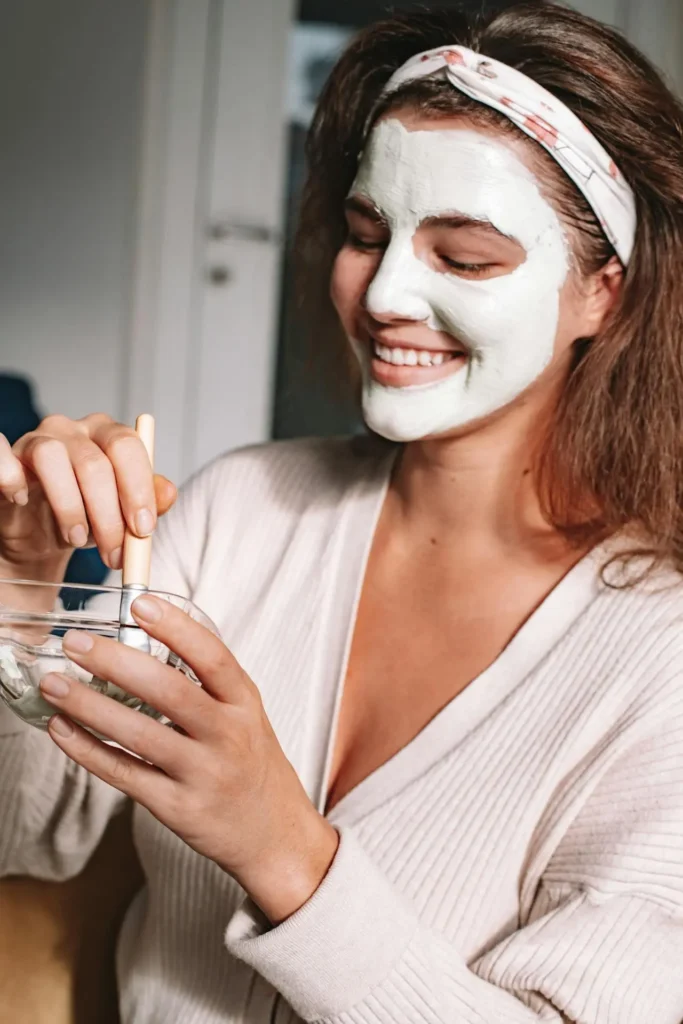
A moisturizing face mask is a skincare treatment designed to deeply hydrate and nourish the skin. Unlike regular moisturizers, these masks penetrate deeper layers of the skin and provide intensive hydration.
They are typically used 1–3 times a week and come in various forms such as:
- Cream masks
- Sheet masks
- Gel masks
- Clay masks (with hydrating properties)
- Overnight masks
Benefits of Using a Moisturizing Face Mask
1. Deep Hydration
Moisturizing masks deliver hydration deep into the skin, making it soft and plump.
2. Improves Skin Texture
Regular use helps smooth rough patches and improves overall skin texture.
3. Boosts Glow
Hydrated skin naturally looks brighter and more radiant.
4. Reduces Fine Lines
Dry skin often shows wrinkles more clearly. Hydration helps minimize their appearance.
5. Repairs Skin Barrier
Ingredients like ceramides and hyaluronic acid help strengthen your skin’s natural barrier.
Key Ingredients to Look For
When choosing a moisturizing mask, look for these powerful ingredients:
Hyaluronic Acid
- Holds up to 1000x its weight in water
- Deeply hydrates and plumps skin
Aloe Vera
- Soothes and hydrates
- Ideal for sensitive skin
Glycerin
- Attracts moisture to the skin
- Keeps skin hydrated longer
Honey
- Natural humectant
- Antibacterial and nourishing
Shea Butter
- Rich in vitamins
- Great for dry and flaky skin
Types of Moisturizing Face Masks
1. Cream Masks
Best for dry skin. Rich and nourishing, they provide deep hydration.
2. Sheet Masks
Convenient and quick. Soaked in serum, perfect for instant glow.
3. Gel Masks
Lightweight and cooling. Ideal for oily and sensitive skin.
4. Overnight Masks
Work while you sleep for intense hydration.
5. DIY Masks
Natural and affordable options using ingredients at home.
How to Choose the Best Moisturizing Face Mask
For Dry Skin
Choose masks with:
- Shea butter
- Hyaluronic acid
- Oils
For Oily Skin
Look for:
- Gel-based masks
- Aloe vera
- Lightweight formulas
For Sensitive Skin
Go for:
- Fragrance-free masks
- Natural ingredients like cucumber or oatmeal
For Combination Skin
Use different masks on different areas (multi-masking).
How to Use a Moisturizing Face Mask (Step-by-Step)
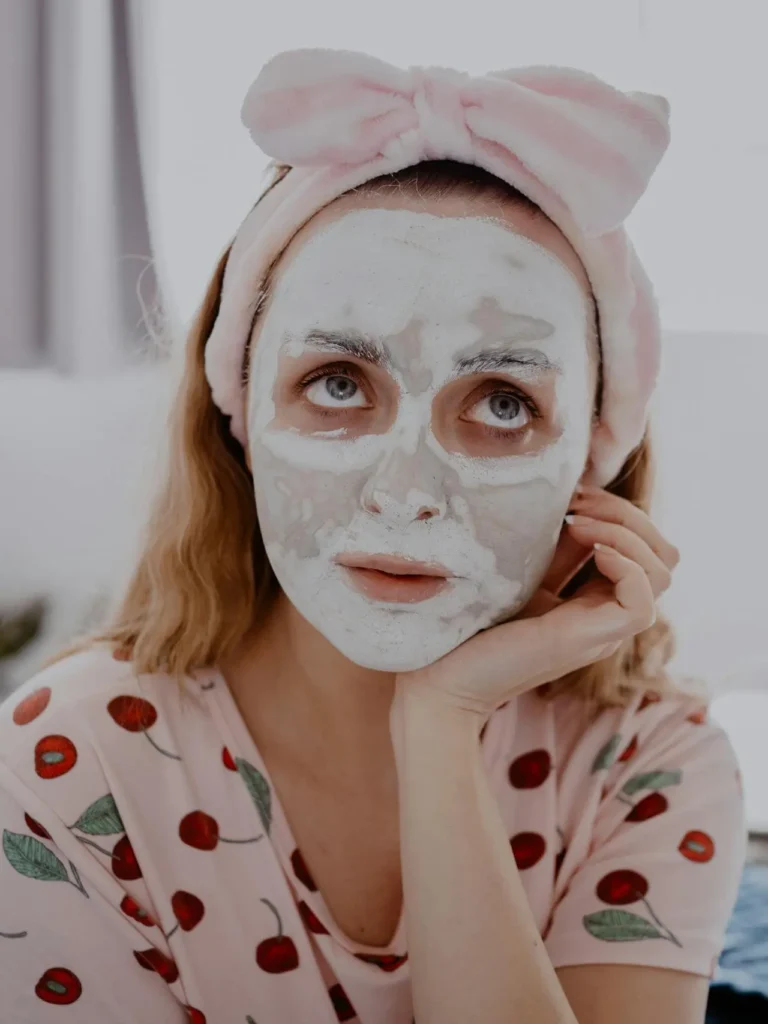
- Cleanse your face thoroughly
- Apply the mask evenly
- Leave it on for 10–20 minutes
- Rinse or remove (depending on type)
- Follow with moisturizer
💡 Tip: Use 2–3 times a week for best results.
DIY Moisturizing Face Mask Recipes
1. Honey & Yogurt Mask
Ingredients:
- 1 tbsp honey
- 1 tbsp yogurt
Benefits: Deep hydration + glow
2. Aloe Vera & Cucumber Mask
Ingredients:
- Fresh aloe vera gel
- Blended cucumber
Benefits: Soothing and cooling
3. Banana & Milk Mask
Ingredients:
- ½ mashed banana
- 1 tbsp milk
Benefits: Soft, smooth skin
Best Time to Use a Moisturizing Face Mask
- Evening (before bed) – best for repair
- Before events – for instant glow
- After sun exposure – to soothe skin
Common Mistakes to Avoid
- ❌ Using too frequently
- ❌ Not cleansing before application
- ❌ Leaving mask on too long
- ❌ Skipping moisturizer after
Moisturizing Face Mask vs Regular Moisturizer
| Feature | Face Mask | Moisturizer |
| Usage | 1–3 times/week | Daily |
| Hydration Level | Deep | Surface-level |
| Time | 10–20 mins | Leave-on |
Expert Tips for Best Results
- Apply on slightly damp skin
- Use after exfoliation for better absorption
- Store sheet masks in fridge for cooling effect
- Always follow with a moisturizer
FAQ Section
1. How often should I use a moisturizing face mask?
2–3 times a week is ideal for most skin types.
2. Can oily skin use moisturizing masks?
Yes! Choose lightweight gel-based masks.
3. Are DIY masks effective?
Yes, but results may vary. They are great for natural care.
4. Can I leave a moisturizing mask overnight?
Only if it’s specifically an overnight mask.
5. Do moisturizing masks help acne?
They can help if dehydration is causing excess oil production.
Conclusion
A moisturizing face mask is an essential step in any skincare routine. Whether you choose a store-bought product or a DIY option, the key is consistency and choosing the right ingredients for your skin type.
With regular use, you’ll notice softer, smoother, and more radiant skin in no time.